
Measurements of the Oxygen Transfer Rate in an Oak Barrel
PyroScience technology has been used to monitor the oxygen intakes in oak barrels usually used in quality wine ageing. Although this oxygen transfer rate (OTR) is important, this value is practically unknown. Selection of the cask by the enologist is an important process and must be in concordance with the wine and the aromatic and organoleptic characteristics desired to the final wine. The dissolved oxygen available during all this process (from 3 to 24 months) is a vital element as it regulates all the ageing process.
The measurement of dissolved oxygen (DO) in the wine inside an oak barrel has been carried out placing eight robust trace oxygen miniprobes at different heights. All these sensors placed in the barrel are operated by two compact fibre-optic oxygen 4 channel PyroScience FireSting oxygen meter.
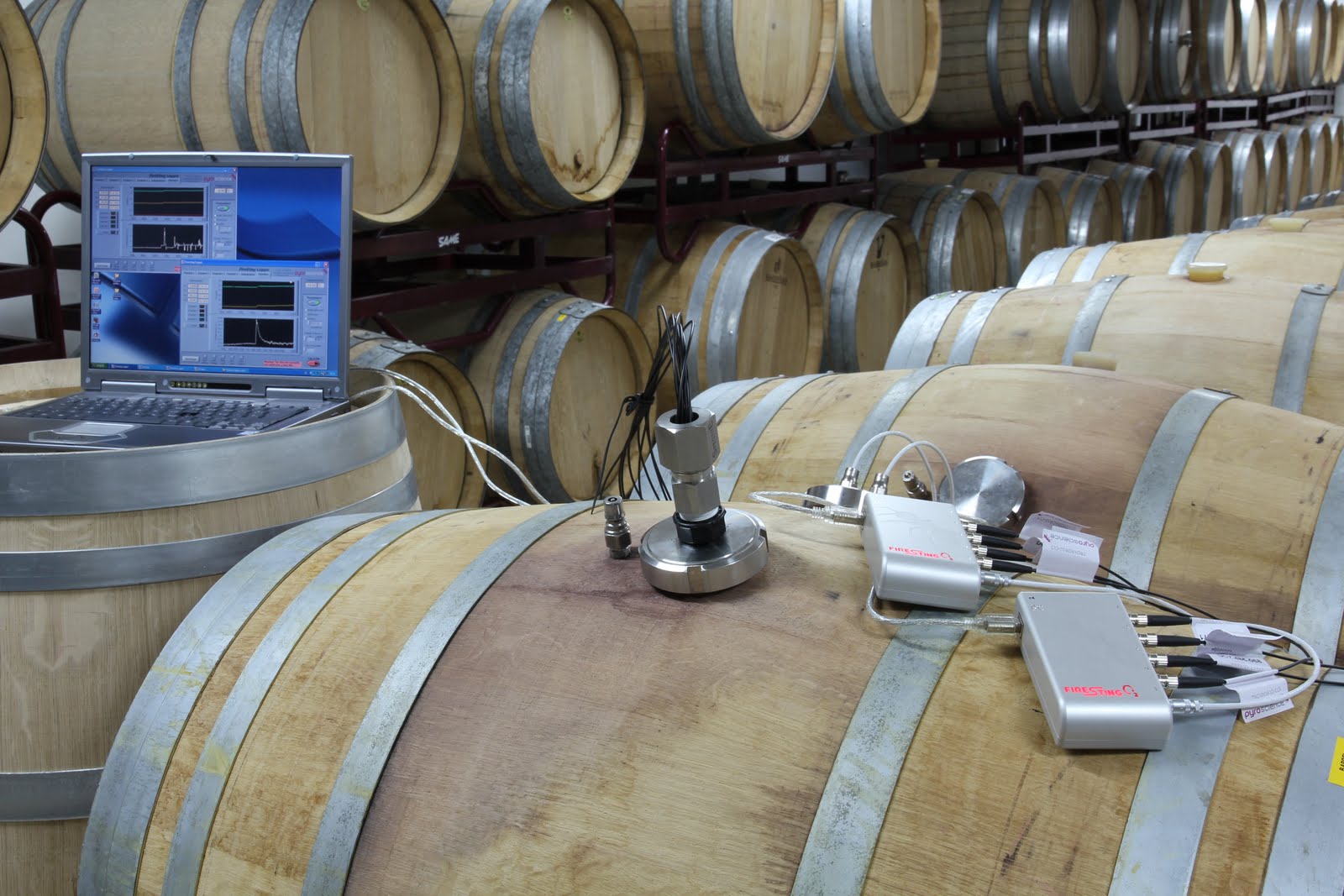
Fig. 1: Complete setup for the measurements in wine barrels
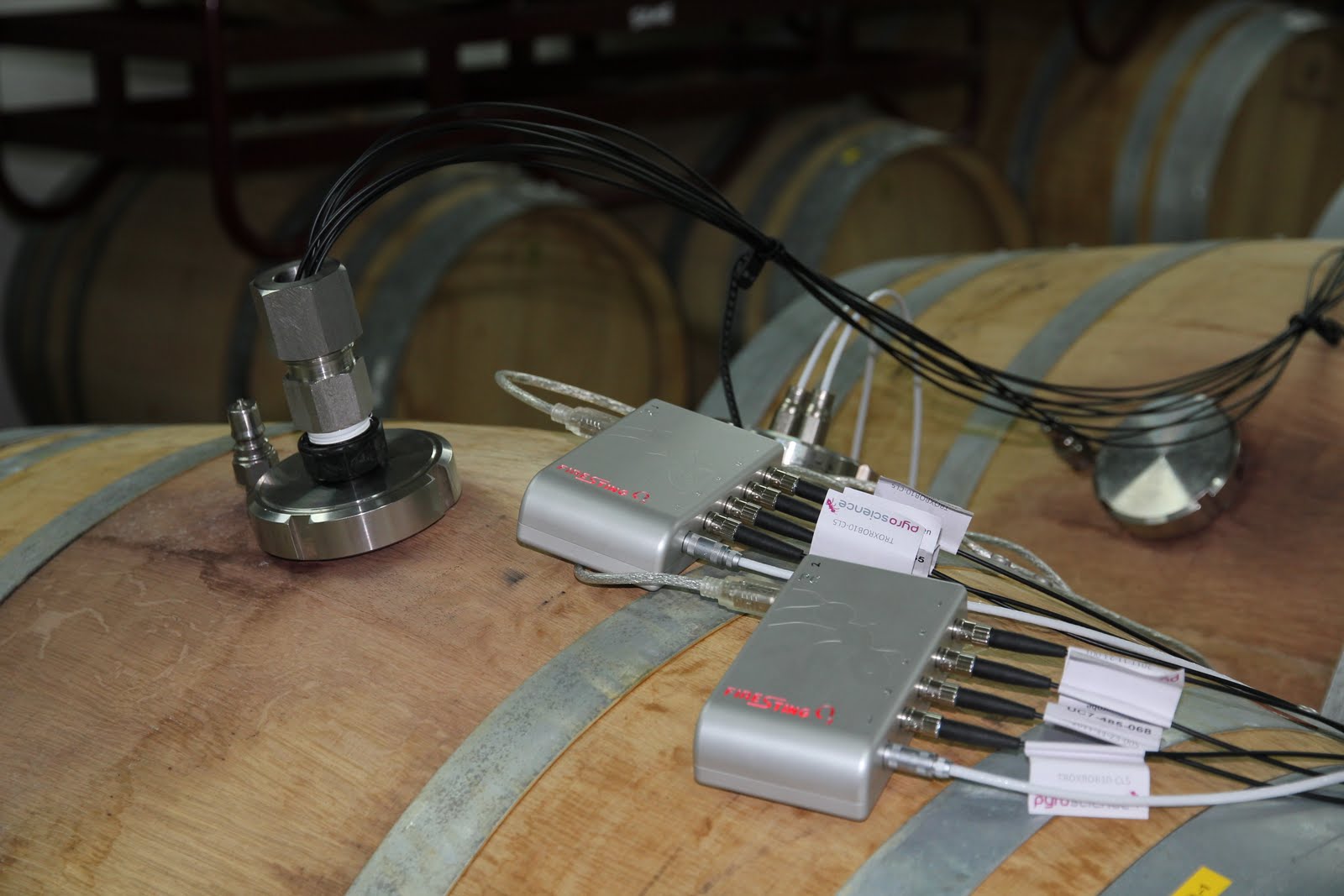
Fig. 2: Two 4-channel FireSting oxygen meters operate altogether 8 trace oxygen robust miniprobes (black cables) and 2 temperature sensors (white cables)
Additionally, each oxygen meter uses a dipping-probe temperature sensor measuring the temperature of the liquid inside the barrel for performing the temperature correction during the DO measurement. Because the wood provides really good thermal insulation, the thermal gradients in the liquid inside the barrel are very small and the thermal inertia is quite big.
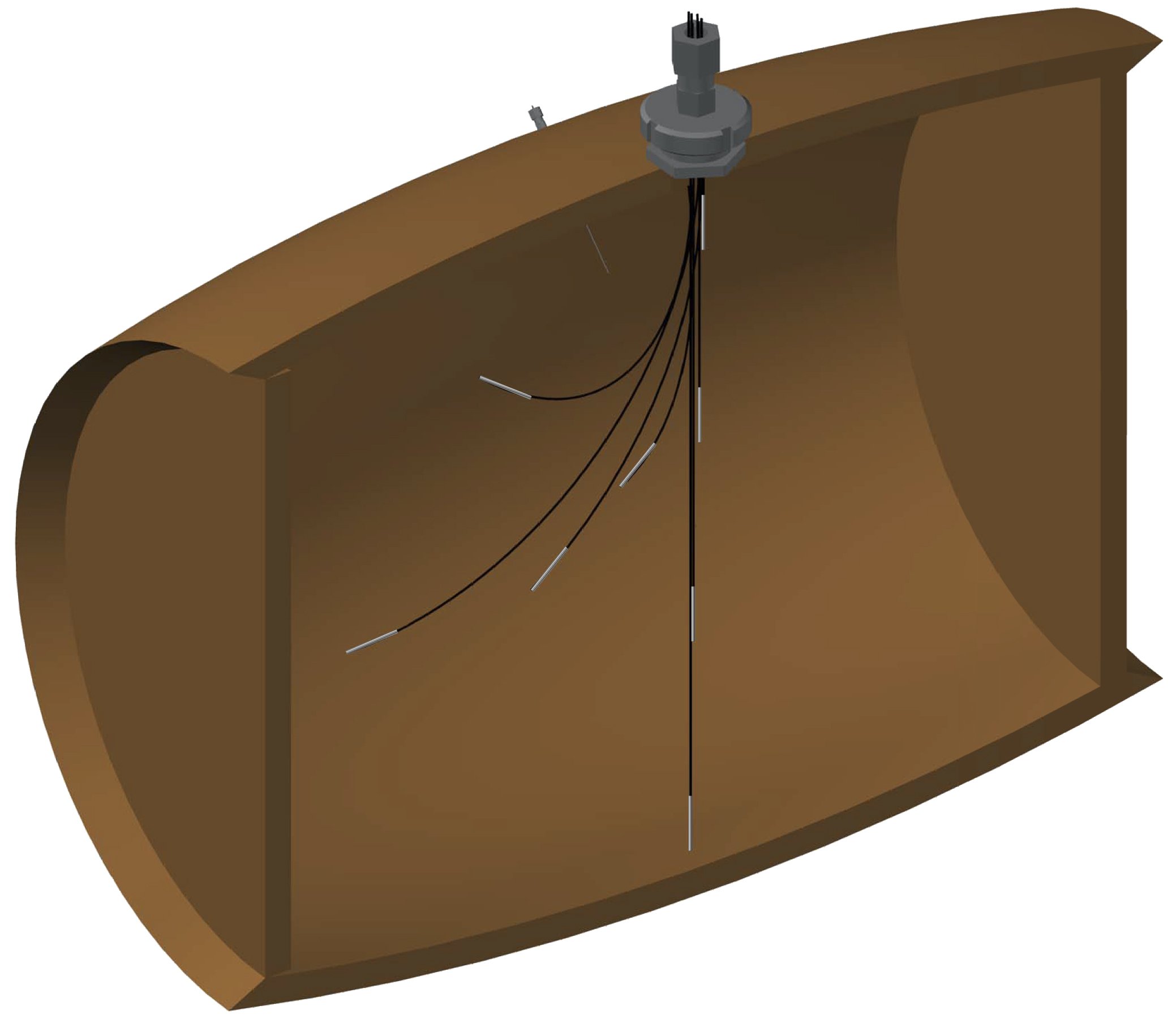
Fig. 3: Schematical drawing showing the positioning of the 8 miniprobes inside the oak barrel
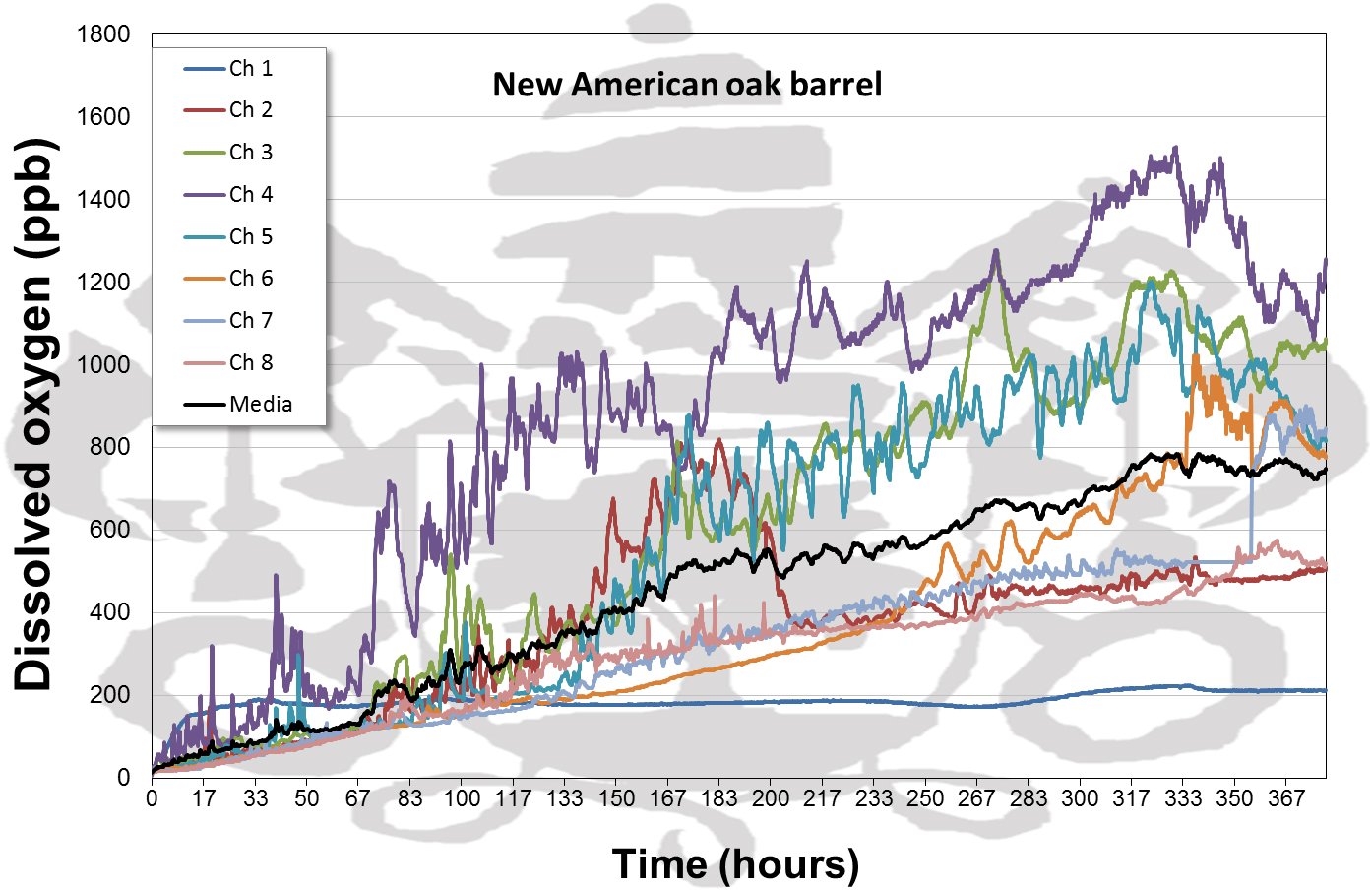
Fig. 4: Example data of an oxygen uptake measurement running over ca. 2 weeks
These measurements were conducted as a part of the ongoing project by UVaMOX group (www.uvamox.com and www.oxygenandwine.com) at the University of Valladolid (Spain). This study is being financed by the Spanish Government (AGL2011-26931) and the Regional Government of Castilla y Leon (VA086A11-2).
UVaMOX. E.T.S. Ingenierías Agrarias, Universidad de Valladolid
26/11/26